

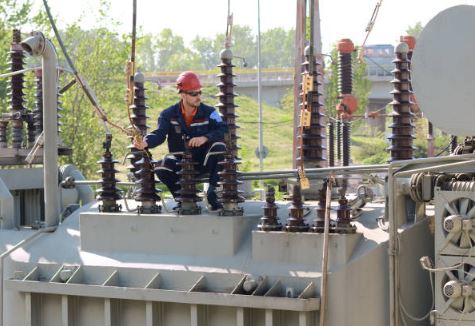
Transformer oil plays a critical role in the safe and reliable operation of electrical transformers. It acts as both an insulating medium and a cooling agent, ensuring that internal components function efficiently under high electrical and thermal stress. Without proper transformer oil maintenance, even a well-designed transformer can suffer premature failure, increased losses, and serious safety risks.
In this guide, we explain why transformer oil quality matters, the risks of oil degradation, and proven strategies for oil type transformer maintenance that help maximize transformer life and performance.
The Role of Transformer Oil in Power Systems
Transformer oil, commonly mineral oil or synthetic alternatives, serves two essential purposes:
- Electrical insulation: Prevents arcing between live components
- Heat dissipation: Transfers heat from the core and windings to cooling surfaces
In oil-filled transformers, the oil surrounds critical internal parts, meaning its condition directly affects insulation strength and thermal stability. Effective transformer oil maintenance ensures these functions remain intact throughout the equipment’s operating life.
Why Transformer Oil Quality Matters
Over time, transformer oil degrades due to heat, oxygen, moisture, and electrical stress. As oil quality deteriorates, its ability to insulate and cool diminishes.
Consequences of Poor Oil Quality
- Reduced dielectric strength
- Increased risk of internal arcing
- Accelerated aging of paper insulation
- Higher operating temperatures
- Potential transformer failure or fire hazards
Maintaining high oil quality is therefore a key objective of any oil type transformer maintenance program.
Common Causes of Transformer Oil Degradation
Understanding what affects oil quality helps in planning effective maintenance.
1. Thermal Stress
Continuous operation at high temperatures causes oil oxidation, producing sludge and acids that impair cooling and insulation.
2. Moisture Contamination
Moisture can enter through leaks, faulty breathers, or condensation. Even small amounts drastically reduce dielectric strength.
3. Oxidation
Exposure to oxygen leads to chemical reactions that form acidic compounds, increasing oil viscosity and corrosion risk.
4. Electrical Faults
Partial discharge, overheating, or arcing generates gases that contaminate oil and signal internal problems.
Routine transformer oil maintenance focuses on detecting and controlling these factors before they cause irreversible damage.
Key Transformer Oil Tests and Their Importance
Oil testing is the backbone of condition-based transformer maintenance. Regular testing provides early warning signs of developing faults.
Dielectric Breakdown Voltage (BDV) Test
Measures the oil’s ability to withstand electrical stress. Low BDV indicates contamination or moisture.
Dissolved Gas Analysis (DGA)
Identifies gases such as hydrogen, methane, and acetylene, which are produced during overheating or arcing. DGA is essential for diagnosing internal transformer faults.
Moisture Content Analysis
Excess moisture weakens insulation and accelerates paper aging, making moisture testing a top priority.
Acidity and Interfacial Tension (IFT)
High acidity and low IFT indicate oil oxidation and sludge formation.
Furan Analysis
Assesses degradation of paper insulation by measuring by-products dissolved in oil.
A structured oil testing schedule strengthens oil type transformer maintenance by enabling predictive decision-making.
Transformer Oil Maintenance Best Practices
1. Regular Oil Sampling
Oil samples should be collected at defined intervals based on transformer criticality and operating conditions. Proper sampling techniques are essential to avoid contamination and ensure accurate results.
2. Oil Filtration and Reconditioning
Oil filtration removes moisture, particulate matter, and dissolved gases. Reconditioning restores dielectric strength and extends oil service life without requiring full replacement.
3. Oil Replacement
When oil is severely degraded and no longer meets performance standards, complete oil replacement may be necessary. This step is usually considered after testing confirms irreversible deterioration.
4. Breather Maintenance
Silica gel breathers prevent moisture ingress. Regular inspection and replacement of saturated silica gel are crucial for effective transformer oil maintenance.
5. Leak Detection and Sealing
Oil leaks not only reduce oil level but also allow air and moisture to enter the system. Timely sealing and gasket replacement prevent contamination.
Oil Type Transformer Maintenance: Key Considerations
Oil-filled transformers require specific maintenance strategies due to their design and operating environment.
Monitoring Oil Levels
Low oil levels expose internal components, reducing cooling efficiency and increasing failure risk. Oil gauges should be inspected regularly.
Temperature Control
High oil temperature accelerates oxidation. Monitoring top oil and winding temperatures helps detect overloads or cooling system failures.
Sludge Prevention
Sludge buildup restricts oil circulation and heat transfer. Periodic oil testing and filtration minimize sludge formation.
Compatibility of Replacement Oils
When topping up or replacing oil, ensure compatibility with existing oil type to prevent chemical instability.
An effective oil type transformer maintenance plan integrates these checks into routine operations.
Preventive vs. Reactive Oil Maintenance
Preventive Maintenance
- Scheduled oil testing
- Routine filtration
- Breather inspection
- Trend analysis of test results
Preventive strategies reduce unplanned outages and extend transformer life.
Reactive Maintenance
- Emergency oil replacement
- Repairs after insulation failure
- Response to unexpected breakdowns
Reactive maintenance is costly and risky. Investing in preventive transformer oil maintenance minimizes these scenarios.
Maintenance Frequency Guidelines
While frequency depends on transformer size, load, and environment, general guidelines include:
- Monthly: Visual oil level checks and temperature monitoring
- Quarterly: Basic oil testing (BDV, moisture)
- Annually: Comprehensive oil analysis (DGA, acidity, IFT)
- Every 3–5 years: Oil filtration or regeneration, if required
Customizing frequency based on criticality ensures optimal results from oil type transformer maintenance.
Benefits of Effective Transformer Oil Maintenance
Extended Transformer Life
Clean, high-quality oil protects insulation and internal components, delaying aging and failure.
Improved Reliability
Early fault detection through oil analysis prevents unexpected outages.
Enhanced Safety
Reducing moisture, gases, and overheating lowers the risk of fire or explosion.
Lower Lifecycle Costs
Preventive oil maintenance is far more cost-effective than emergency repairs or transformer replacement.
Regulatory Compliance
Well-documented oil maintenance supports industry standards and inspection requirements.
Common Mistakes to Avoid
❌ Skipping routine oil tests
❌ Improper oil sampling methods
❌ Ignoring early warning signs in DGA results
❌ Using incompatible oil types
❌ Delaying filtration or corrective action
Avoiding these mistakes strengthens your overall transformer oil maintenance strategy.
Conclusion: Oil Quality Is the Key to Transformer Longevity
Transformer oil is more than just a cooling fluid — it is a vital component of transformer health and reliability. Without consistent transformer oil maintenance, oil degradation can silently damage insulation, increase losses, and lead to costly failures.
By implementing structured oil type transformer maintenance practices—including regular testing, filtration, moisture control, and documentation—you can significantly extend transformer life, improve operational safety, and reduce long-term costs.
Maintaining oil quality is not a one-time task; it is an ongoing commitment that ensures your transformers continue to deliver reliable power for years to come.
